


I’ve always been interested in technology — especially technology that helps us better understand ourselves. Alongside that, I’ve had a long-standing interest in trying to be healthier: eating reasonably well, exercising when I can, and probably the hardest one of all… sleep.
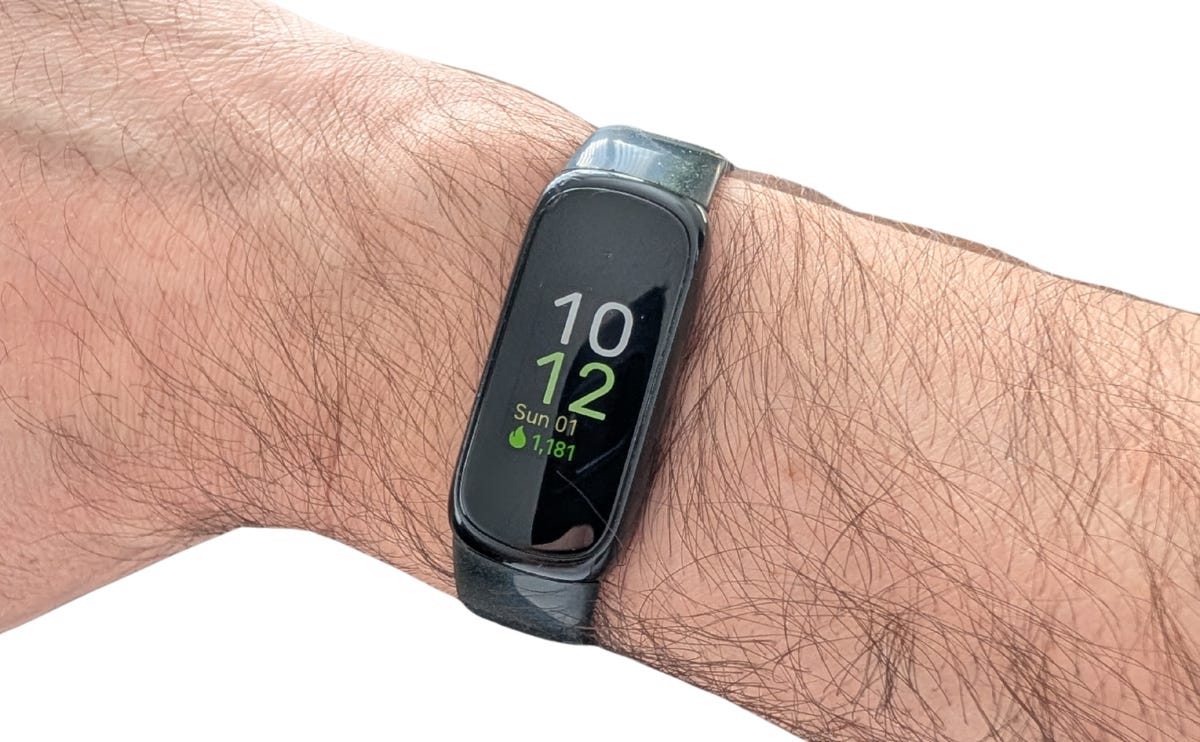
For several years, I wore a Fitbit. It was a solid wearable that helped me track steps, basic health metrics (like heart rate and skin temperature), and sleep. I found the data genuinely useful. It gave me cues about when I needed to prioritize rest, when my routine was slipping, or when I needed to move a bit more.
Recently, after doing some research, I decided to upgrade to WHOOP — a screen-less health tracker focused less on steps and more on recovery, sleep, and overall physiological strain.
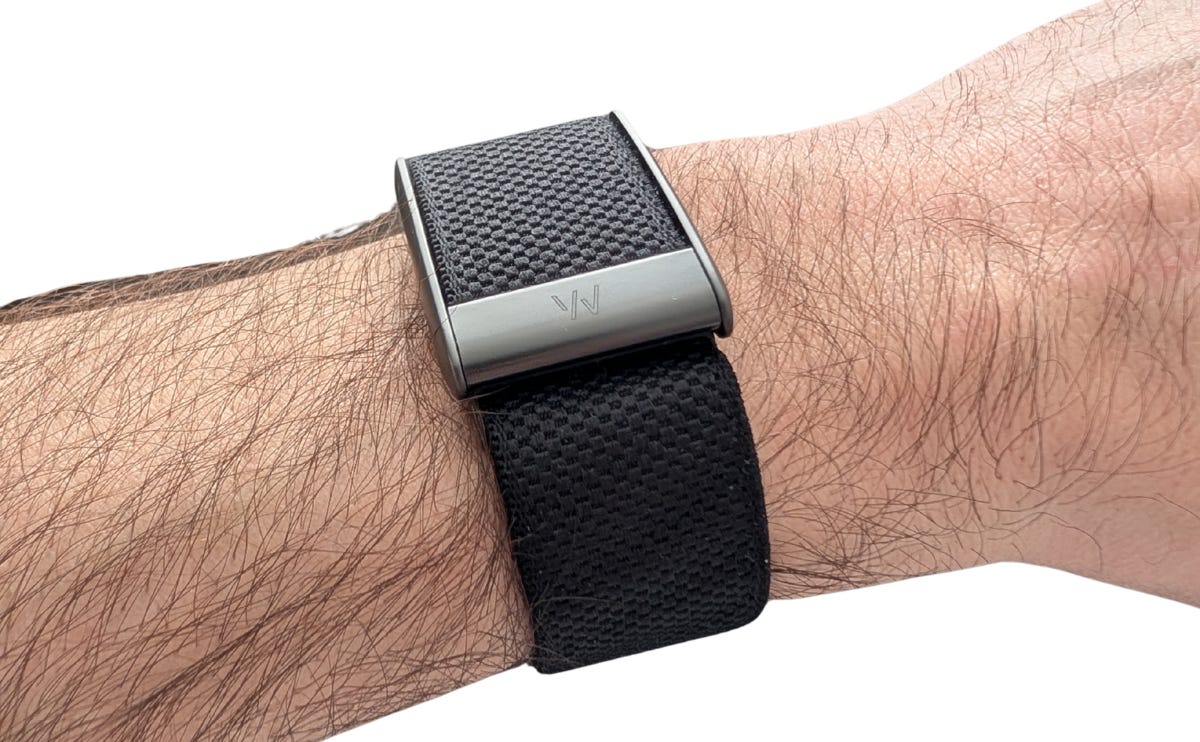
What drew me to WHOOP is how continuously and passively it monitors key metrics like heart rate, skin temperature, oxygen saturation, and movement — and then pairs that data with an app that’s packed with intelligent insights. The result is a surprisingly detailed picture of sleep quality, recovery, and overall health trends.
One feature I’ve found especially powerful is the journal. WHOOP allows you to log daily behaviours and events — things like caffeine timing, late meals, workouts, alcohol, naps, and more. There are lots of options, but I’ve customized my journal to focus on the variables I think most directly affect my sleep and recovery.
Why I’m writing this series
As an airline pilot, fatigue is always part of the conversation — but it’s usually framed around how tired we feel. What I’m interested in exploring is the space between perceived fatigue and what the data says about recovery, sleep, and overall health.
Sleep is a major focus, but it’s not the whole story.
Flying involves long periods of sitting, irregular schedules, early starts, late finishes, and constant shifts in routine. Over time, those factors influence more than just rest — they affect movement, habits, stress, and recovery in ways that aren’t always obvious in the moment.
In this series, I’ll be sharing:
How WHOOP fits into my life and work as an airline pilot
What the data shows across different flying patterns and schedules
How sleep, recovery, and strain line up — or don’t — with how I actually feel
How periods of sedentary work show up in the data, and what prompts me to move more
Where the data challenges my assumptions, and where it confirms them
This isn’t about chasing perfect scores or optimizing every minute of the day. It’s about using better information to support better decisions — when to prioritize sleep, when to move after long sedentary stretches, when caffeine helps (and when it hurts), and when a small habit change might make a meaningful difference.
Ultimately, this is about understanding how work, life, and health interact in a profession where schedules, time zones, and circadian rhythms don’t always cooperate.
If that sounds interesting, you can find all posts in this series here:
👉 https://substack.thomaspaul.ca/t/whoop
More to come.